
Kids Learn.
Families Eat.
Hope Grows.
Harvest for Hope (HFH) runs on a simple and powerful cycle that supports kids, strengthens agriculture, and feeds local families. Our process does more than just buy animals or donate food. It keeps kids involved in agriculture, supports local farms and businesses, and puts healthy meals on the tables of families who need them most.
How It Works
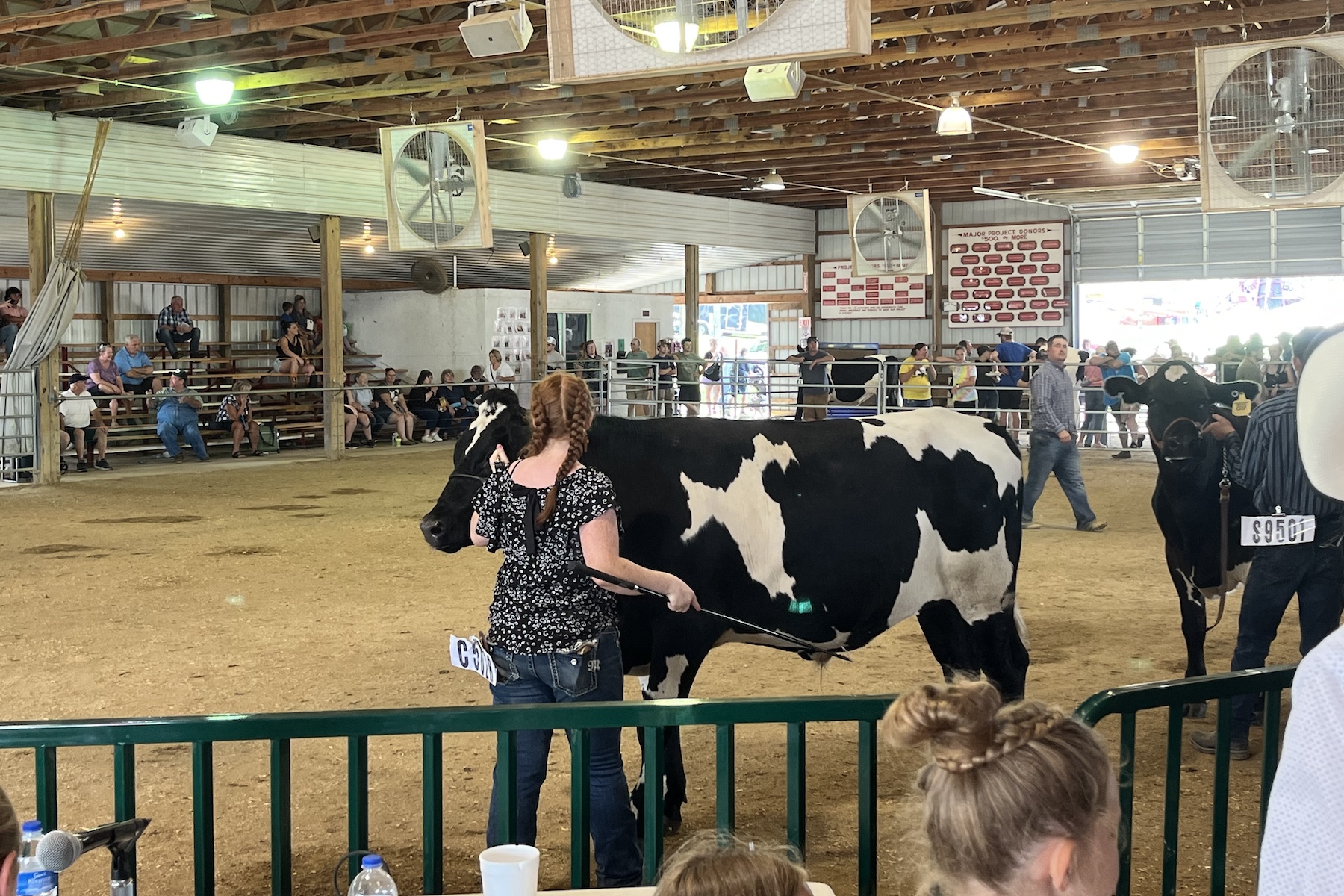
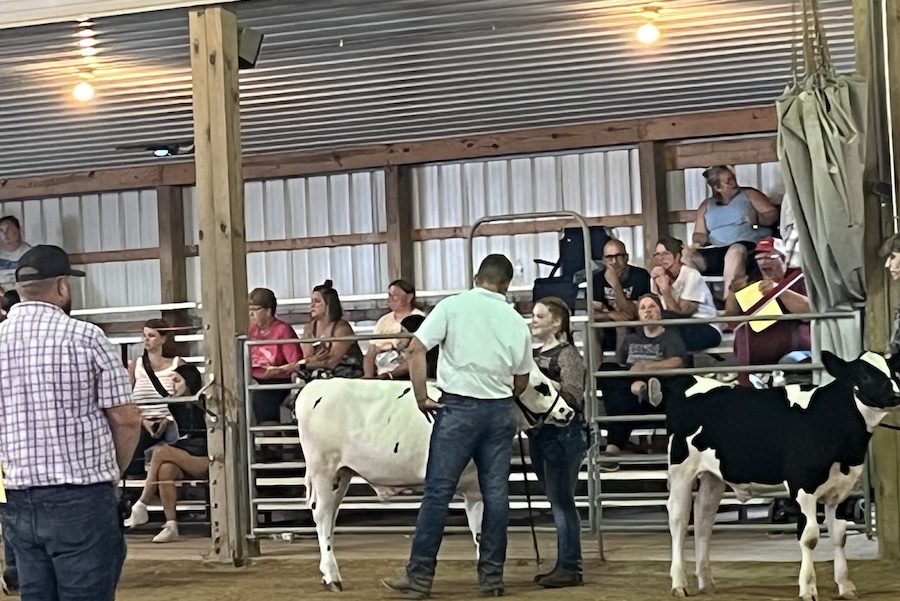
We Support Youth in Agriculture
We partner with fairs, 4H programs, farms, and schools to help young people stay involved in agriculture. This includes creating hands-on learning programs and giving students—especially inner-city or first-time participants—a chance to work with animals and learn real agricultural skills. We help youth become more deeply connected to agriculture through school-based programs or independent community opportunities.
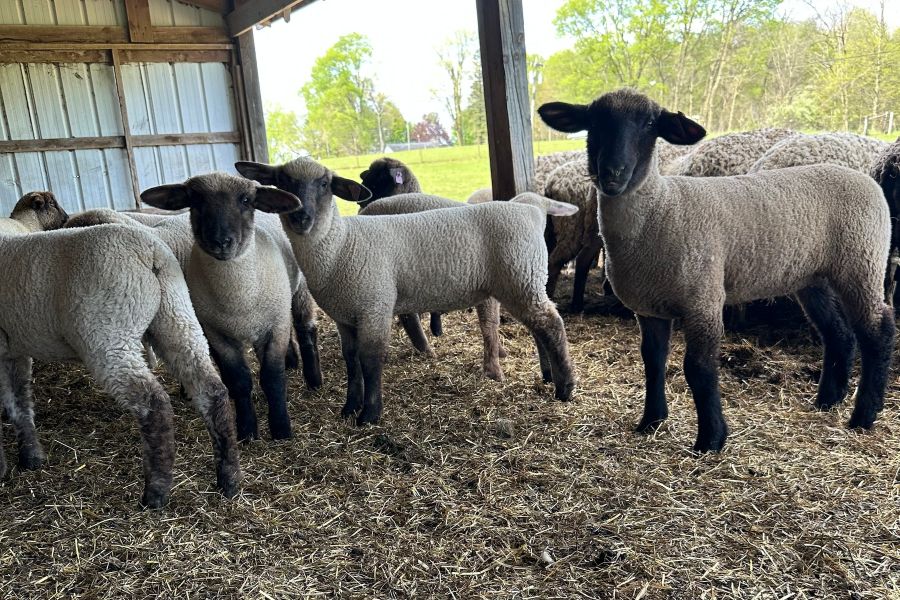
We Purchase Project Animals from Youth
We purchase project animals at auctions or buybacks. Buying these animals gives kids financial support for future projects, college savings, or family needs. This removes the financial pressure that often forces youth to quit 4H or FFA. Each purchase is an investment in their confidence, work ethic, and long-term success.
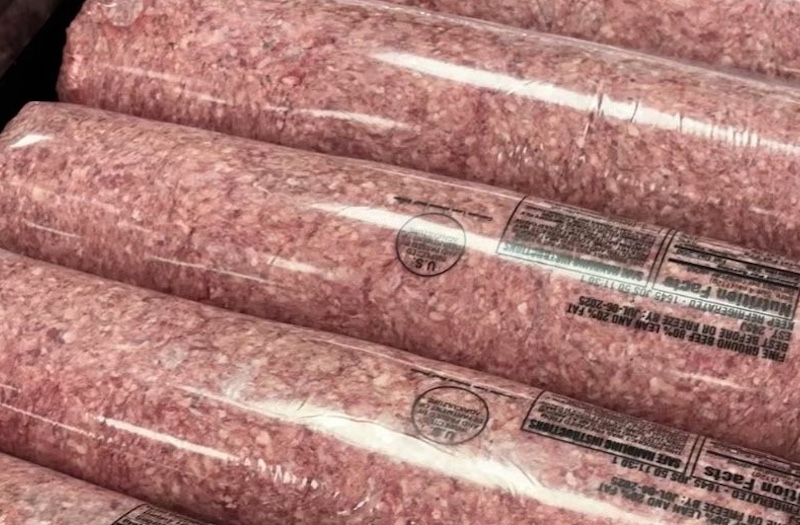
Local Partners Process the Meat
After animals are purchased, we work with trusted local butchers who help us process the meat safely and responsibly. This process keeps our dollars in the community and builds strong relationships with local farms and processors.
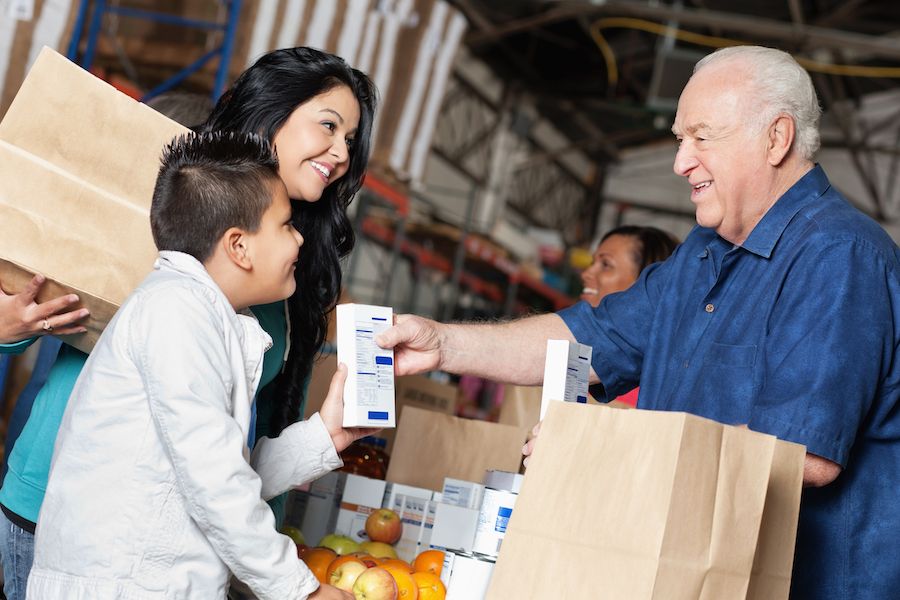
We Donate the Meat to Families in Need
The processed meat is delivered to food banks, soup kitchens, churches, and community meal programs. Many of these families rarely receive quality meat due to cost or availability. Every donation creates real meals and real impact right here at home.
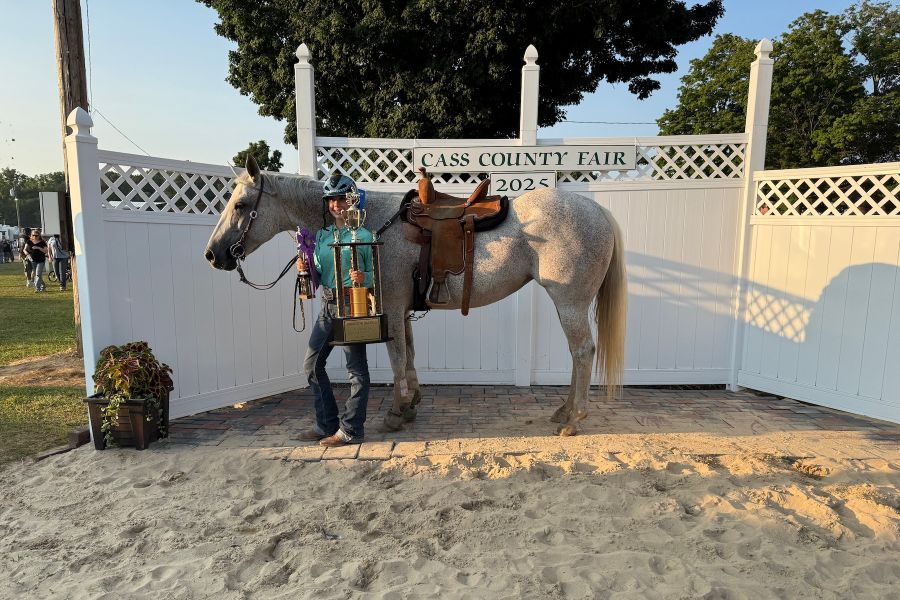
We Build Connections Between Kids and the Community
Youth get to see the full circle of their hard work—from raising an animal to helping feed a family in need. This teaches responsibility, compassion, and pride. It also builds the next generation of agricultural leaders and community-minded citizens.