
Growing Opportunities for Kids, Hope for Families
Who We Are
Harvest for Hope (HFH) is a nonprofit organization created to help youth become more deeply connected to agriculture—whether through school-based programs or independent community opportunities. Our goal is simple: to give kids access to experiences that build confidence, responsibility, and life skills that can genuinely change the trajectory of their future. We also support local families by ensuring they have access to wholesome food.
The Gap We Bridge
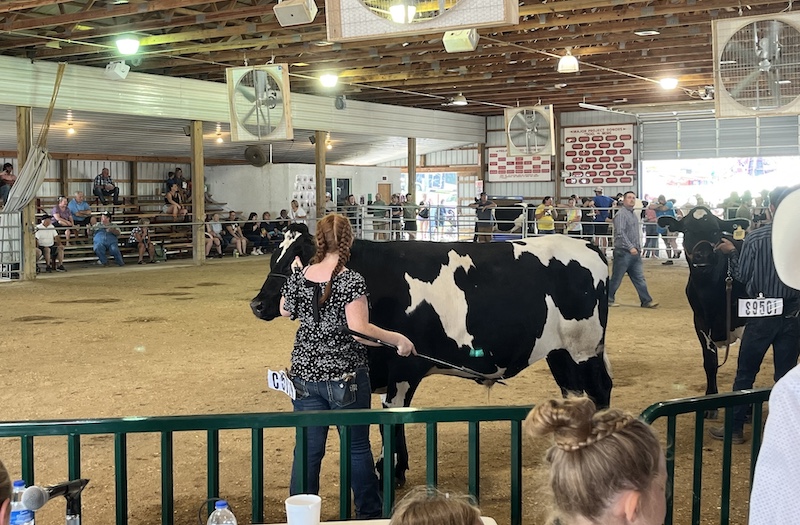
Across the country, fewer young people are exposed to agriculture, even though hands-on agricultural learning teaches discipline, work ethic, leadership, and problem-solving. HFH was founded to bridge that gap by creating programs that bring youth into barns, fields, fairs, and farms—places where real growth happens.
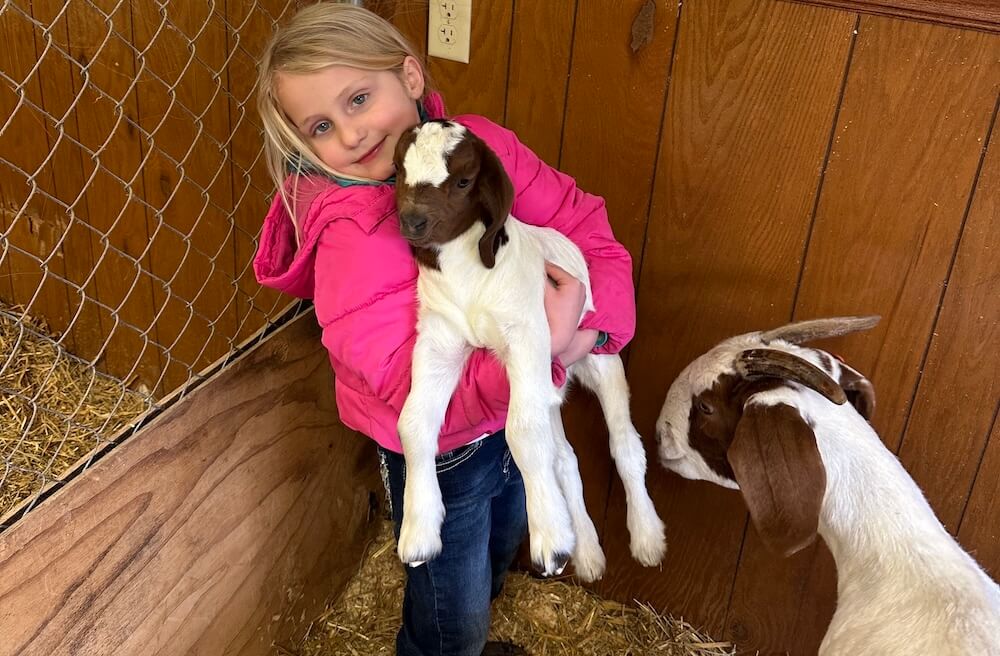
We specifically support kids interested in 4-H and FFA who may lack the resources and facilities to participate. We also work to introduce inner-city and underserved youth to agriculture for the first time.
Our Vision
Our vision is to create a future where every child has the chance to experience agriculture in a real and meaningful way. We want kids to discover confidence, responsibility, and life skills that can truly change their future. In the end, our vision is simple: grow opportunities for kids, support local agriculture, and bring hope to families who need it.
Our Mission
Our mission is to change lives by connecting youth to agriculture.
We support 4H and FFA kids by helping them stay involved in their projects.
We create programs for students who have never had the chance to be around farms or animals before.
When we purchase project animals at fairs, we're helping a young person continue learning and growing.
The meat from those animals is then donated to local food programs, turning each project into something that helps the whole community.
The Cycle of Impact
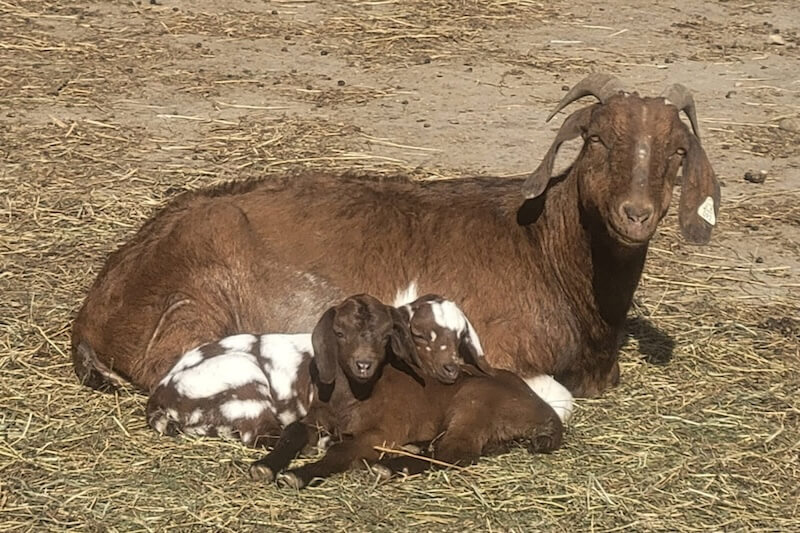
Harvest for Hope exists to open doors for youth, reconnect families with agriculture, and build a foundation of hope—one student, one farm, and one meal at a time.